
What is a whole building water assessment?
- Jul 13
- 8 min read
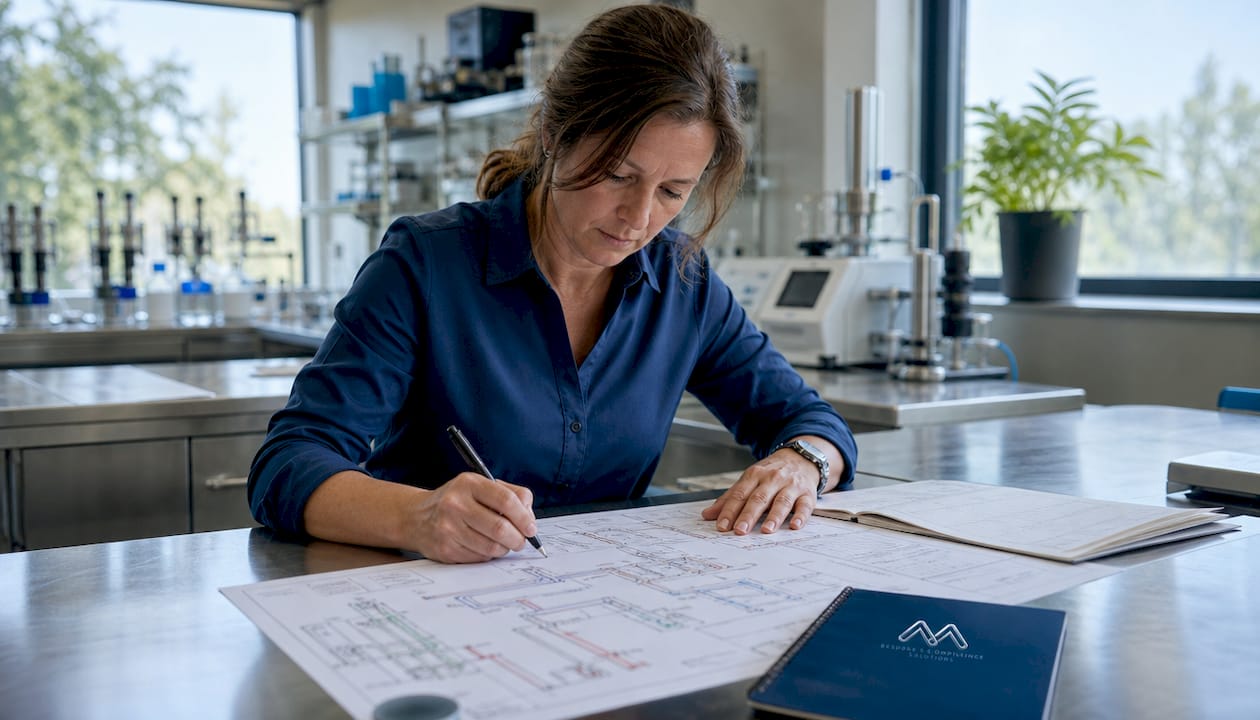
A whole building water assessment is a systematic evaluation of every water-consuming system within a building, designed to quantify usage, identify losses, and support compliance with water hygiene and efficiency standards. Facility managers in commercial and healthcare settings use these assessments to uncover hidden inefficiencies that standard maintenance cycles routinely miss. The process draws on historical consumption data, physical site inspections, and water balance modelling to produce a report that is both financially and operationally actionable. Bespokecompliancesolutions works with organisations across the UK to deliver exactly this kind of structured, site-specific analysis.
What does a whole building water assessment involve?
A whole building water assessment follows a defined methodology. Each stage builds on the last, moving from data collection through to a costed, actionable report.
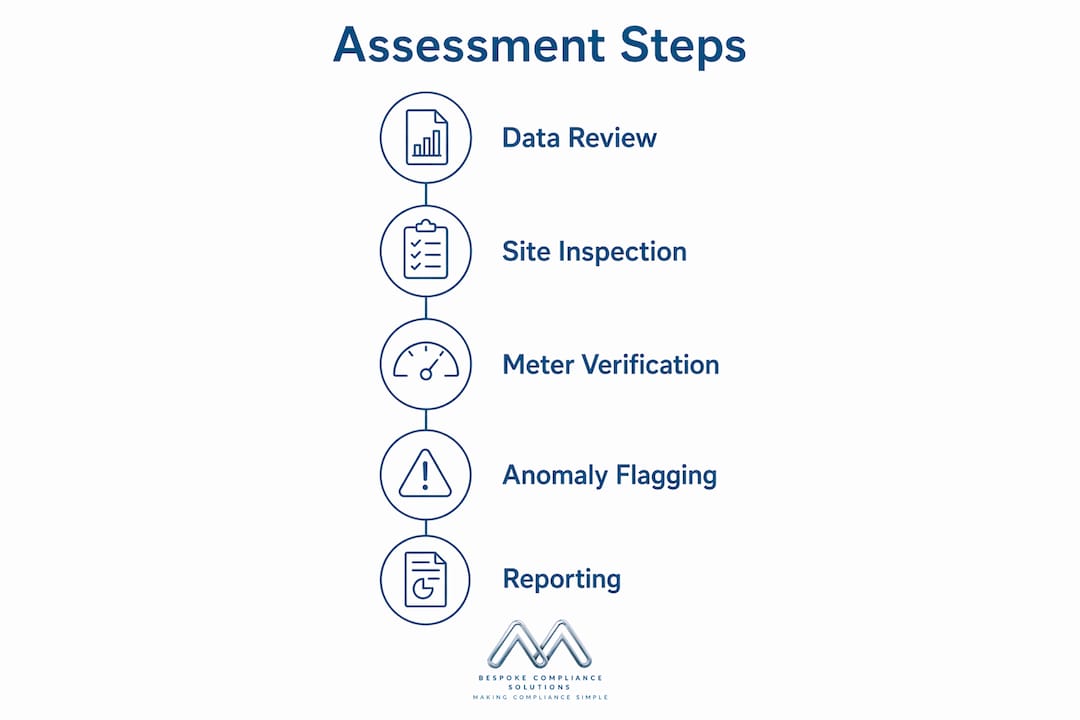
Historical data review. The process begins with 12–36 months of consumption data, drawn from utility bills and meter records. This look-back period reveals seasonal patterns, unexplained spikes, and baseline usage that cannot be seen from a single month’s bill.
Site inspection. Specialists inspect all water-using systems across the building, covering 100% of system types. Rather than auditing every individual outlet, a representative 10% sample of water-consuming units is evaluated in depth. This approach controls costs while still producing an accurate consumption profile.
Water balance modelling. Inflows and outflows are compared across the whole system. Any gap between metered supply and accounted use points directly to losses, whether from leaks, unmetered draw-offs, or inefficient fixtures.
Flow measurement. Real-time tools such as ultrasonic flow meters capture live data at key points in the distribution network. These readings validate the modelled figures and pinpoint problem areas with precision.
Report and costing. The final output quantifies water loss in volume per day and converts those losses into annual cost figures using local utility rates. This translation from litres to pounds is what turns a technical finding into a business case.
Assessment stage | Key output |
Historical data review | Baseline consumption profile and anomaly flags |
Site inspection | System coverage map and fixture condition log |
Water balance model | Quantified loss volume and source identification |
Flow measurement | Live data validation at distribution points |
Final report | Costed loss figures and prioritised recommendations |
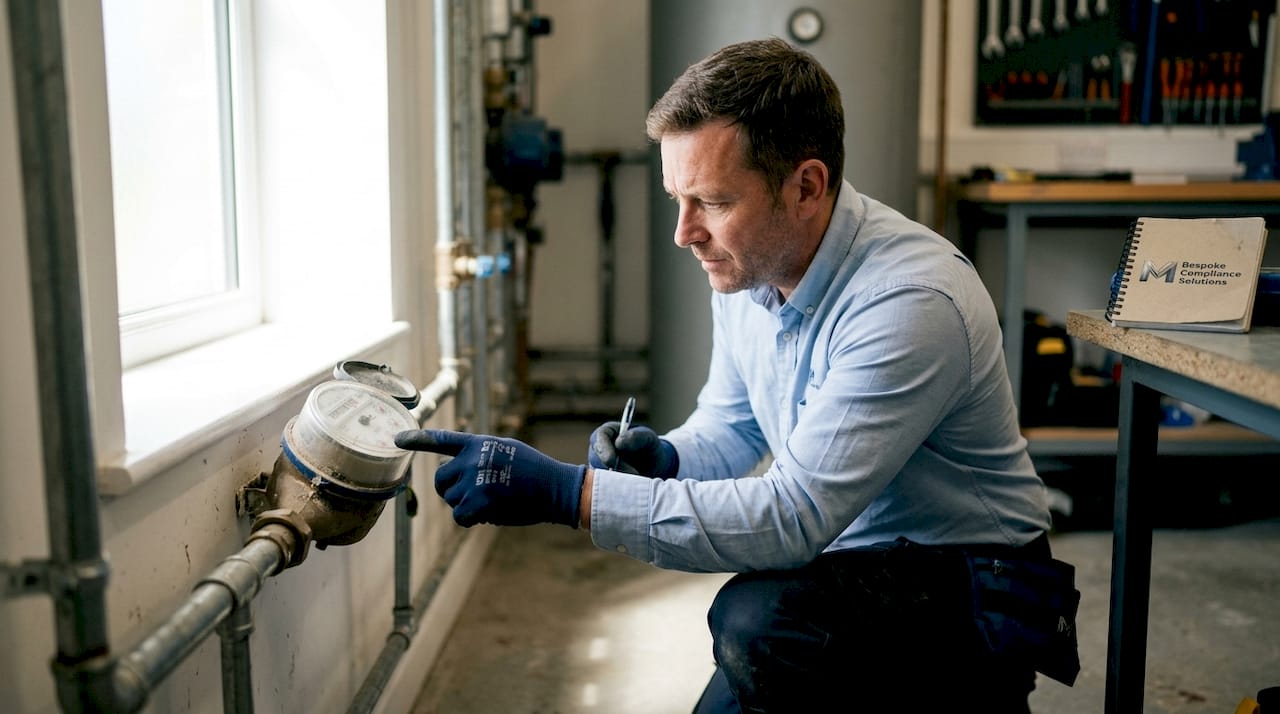
Pro Tip: Request that your specialist provides meter read verification at the start of the inspection. Faulty or misread meters are a surprisingly common source of apparent “losses” that inflate the apparent scale of the problem before any physical inspection begins.
What are the benefits of a whole building water assessment?
A water usage evaluation delivers benefits that extend well beyond a reduced utility bill. Facility managers who commission these assessments consistently report gains across four areas.
Hidden leak detection. Standard maintenance schedules check visible fixtures. A full building audit identifies hidden infrastructure degradation that routine checks miss entirely, including slow leaks in buried pipework and failing valve seals behind wall panels.
Regulatory compliance. Building Regulation Part G sets water efficiency requirements for new and refurbished buildings. A documented assessment provides the evidence base needed to demonstrate compliance to regulators and insurers.
ESG and sustainability targets. Water audits are foundational for ESG compliance and help organisations respond to climate-driven variability in water costs. Boards and investors increasingly require this evidence as part of annual sustainability reporting.
Capital expenditure justification. A costed loss report gives finance teams the numbers they need to approve infrastructure upgrades. Without quantified figures, replacement projects compete poorly against other capital priorities.
Operational resilience. Understanding where water goes across a site reduces exposure to sudden cost increases when tariffs rise or when a previously undetected leak finally becomes visible and expensive.
“Facility managers who treat water as an active line of risk, rather than a passive utility cost, consistently find that a structured assessment pays for itself within the first year through identified savings alone.”
This shift in perspective is the most significant benefit a whole building water audit delivers. It reframes water from a background overhead into a managed asset with measurable performance.
How do assessments support compliance and safety in healthcare and commercial settings?
Water hygiene compliance in healthcare and commercial buildings carries legal weight. A whole building water audit provides the documented evidence that regulators, insurers, and accreditation bodies require.
Legionella risk management. The water hygiene policy review process depends on knowing how water moves through a building. An assessment maps dead legs, low-flow outlets, and temperature risk zones that create conditions for Legionella growth.
Building Regulation Part G alignment. Commercial refurbishments and new builds must meet defined water efficiency targets. Assessment findings feed directly into the documentation required for Part G sign-off.
Certified professional sign-off. Compliance frameworks require that audit reports carry the signature of a qualified water management specialist. This is not a task for a general facilities contractor. Water auditing maturity lags behind energy auditing, which means specialist expertise is genuinely scarce and worth verifying before appointment.
Policy and procedure updates. Assessment findings inform updates to water management plans and hygiene policies. In healthcare settings, this directly affects patient safety protocols and CQC inspection readiness.
Pro Tip: In healthcare facilities, cross-reference your water assessment findings against your existing healthcare water risk assessment records. Gaps between the two documents often reveal compliance blind spots that neither process would catch alone.
A water compliance audit and a whole building water assessment are related but distinct processes. The compliance audit checks adherence to specific legal duties. The building assessment maps the physical reality of water use. Both are needed for a complete picture.
What practical steps should facility managers take?
Commissioning a whole building water audit is straightforward when the preparation is done correctly. These steps produce the best outcomes.
Select a qualified specialist. Choose a water management professional with demonstrable sector experience in your building type. In healthcare, this means familiarity with HTM 04-01 guidance. In commercial settings, look for experience with ASHRAE 191 methodology and Building Regulation Part G documentation. Specialist expertise is critical to deliver reports that are both actionable and compliant.
Gather pre-assessment data. Compile at least 24 months of utility bills, existing meter records, and any previous maintenance or inspection reports. The more complete this data set, the more accurate the baseline the specialist can establish.
Engage stakeholders early. Facilities teams, estates managers, and finance leads all need to understand what the assessment will produce and why. Early engagement means findings are acted on rather than filed.
Integrate findings into capital planning. Audit findings must connect to capital expenditure planning and asset management cycles. A report that sits outside the budget process has no practical impact. Schedule a findings review with your finance team within four weeks of receiving the report.
Schedule follow-up assessments. A single assessment is a point-in-time snapshot. Buildings change as occupancy shifts, systems age, and usage patterns evolve. Annual or biennial follow-up assessments track whether interventions have delivered the projected savings and flag new risks before they escalate.
Pro Tip: Ask your specialist to flag cooling tower blowdown recovery as a specific line item in the report. Cooling tower blowdown is frequently overlooked as a recoverable water source, yet advanced filtration treatment can reduce makeup water costs significantly in larger commercial and healthcare sites.
A cleaning audit for facility managers follows a similar structured methodology and is worth scheduling alongside a water assessment. Both processes share the same data-gathering logic and produce findings that inform each other.
Key takeaways
A whole building water assessment is the most direct tool a facility manager has to quantify water losses, meet compliance obligations, and build a financial case for infrastructure investment.
Point | Details |
Start with historical data | Collect 12–36 months of consumption records before any site inspection begins. |
Use representative sampling | A 10% sample of water-consuming units delivers an accurate profile without prohibitive cost. |
Quantify losses in financial terms | Convert volume losses to annual cost figures to secure capital expenditure approval. |
Connect findings to compliance | Use assessment outputs to update legionella risk assessments and water hygiene policies. |
Plan follow-up assessments | Schedule repeat audits to track savings and identify new risks as the building changes. |
Why water assessments deserve more attention than they get
I have worked with facility managers across commercial and healthcare sites for long enough to notice a consistent pattern. Water gets treated as a fixed overhead. Energy has dashboards, targets, and board-level attention. Water gets a quarterly bill and a shrug.
That gap is closing, but slowly. What I find most striking is how often the biggest losses are not dramatic burst pipes or obvious leaks. They are slow, invisible, and entirely predictable once you look at the data. Cooling tower blowdown is the clearest example. Facility managers routinely overlook it as a recoverable resource, yet the savings potential in larger buildings is substantial. The same applies to dead legs in healthcare pipework. They sit outside the normal maintenance schedule and create both water waste and genuine Legionella risk simultaneously.
The other pattern I see is assessments that produce excellent reports and then disappear into a shared drive. Integrating findings into long-term asset management is what separates an assessment that pays for itself from one that simply confirms what everyone already suspected. The report is not the end of the process. It is the starting point for a conversation with your finance team, your estates team, and your compliance lead.
My advice is to treat the assessment as a forensic tool, not a tick-box exercise. The buildings that get the most value from this process are the ones where the findings land on the right desks within weeks, not months.
— Sammi
How Bespokecompliancesolutions supports your water assessment needs
Bespokecompliancesolutions specialises in water hygiene and Legionella compliance across commercial, healthcare, housing, and facilities management sectors throughout the UK. The team delivers bespoke Legionella risk assessments, water sampling and analysis, and the implementation of control programmes that align directly with whole building water assessment findings.
Whether you manage a single commercial premises or a portfolio of healthcare sites, Bespokecompliancesolutions builds a compliance programme around your specific buildings and risk profile. Every service is tailored to your site, not adapted from a generic template. If you are ready to move from assessment findings to a fully managed compliance programme, the legionella compliance services page sets out exactly how the team works and what to expect from the process.
FAQ
What is the difference between a water audit and a water assessment?
A water audit and a whole building water assessment describe the same core process: a systematic review of all water use within a building to identify losses and inefficiencies. “Audit” is the term more commonly used in regulatory and compliance contexts, while “assessment” is broader and often includes hygiene and risk management outputs.
How long does a whole building water assessment take?
The timeline depends on building size and data availability, but most commercial and healthcare assessments complete the site inspection phase within one to three days. Formal compliance frameworks such as the 120-day water audit require the certified report to be submitted within 120 days of the assessment start date.
Who is qualified to carry out a whole building water assessment?
A qualified water management specialist with sector-specific experience should lead the assessment. Because water auditing maturity lags behind energy auditing, it is worth verifying that your chosen specialist holds relevant accreditations and has direct experience with your building type before appointment.
How often should a whole building water assessment be repeated?
Annual or biennial assessments are best practice for commercial and healthcare buildings. Buildings with high occupancy, complex water systems, or active Legionella risk management programmes benefit most from regular reassessment to track whether previous interventions have delivered projected savings.
Can a water assessment support a Legionella risk assessment?
A whole building water assessment directly informs a Legionella risk assessment by mapping water flow patterns, identifying dead legs, and flagging temperature risk zones. The two processes are complementary and should be reviewed together to produce a complete picture of water hygiene risk across the site.
Recommended
Comments