
Sentinel outlets: HSG274 targets and monthly checks for FM teams
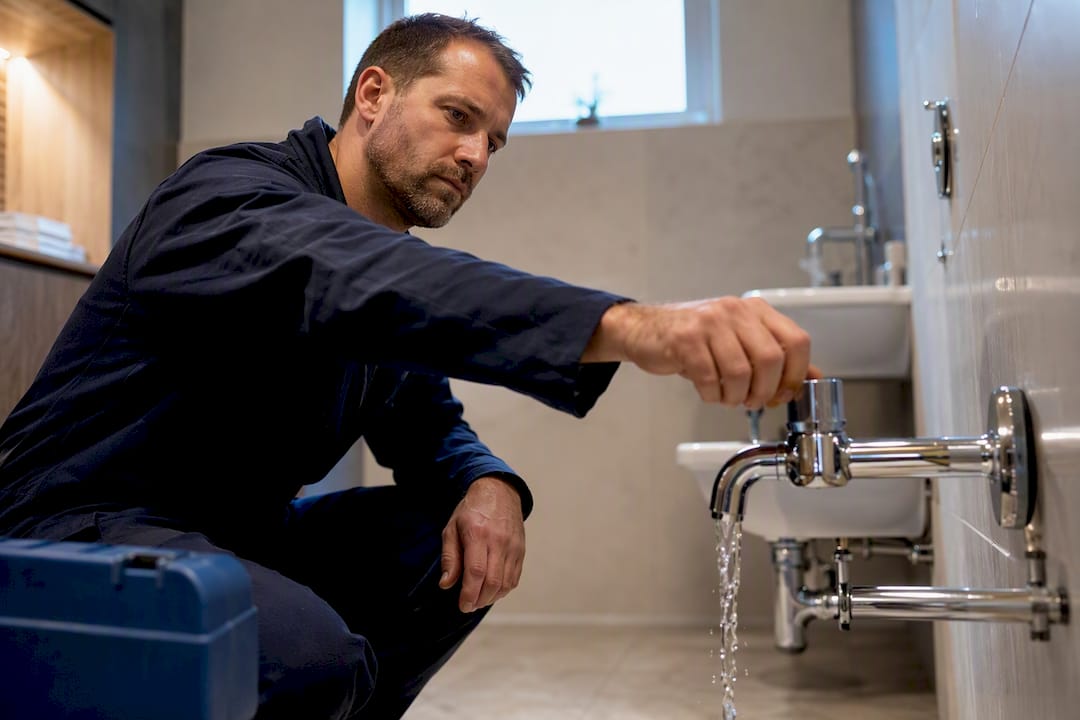
A sentinel outlet is one of the nearest or hydraulically furthest taps in a water system, chosen as a representative checkpoint for legionella control. Hot sentinels must reach at least 50°C within one minute of running (55°C in healthcare premises), and cold sentinels must drop below 20°C within two minutes. Checks happen monthly and get logged in the dutyholder’s written scheme under HSG274 and L8.
TL;DR:
Sentinel outlets are selected based on hydraulic layout, with near and far points identified from schematics, not solely by physical location.
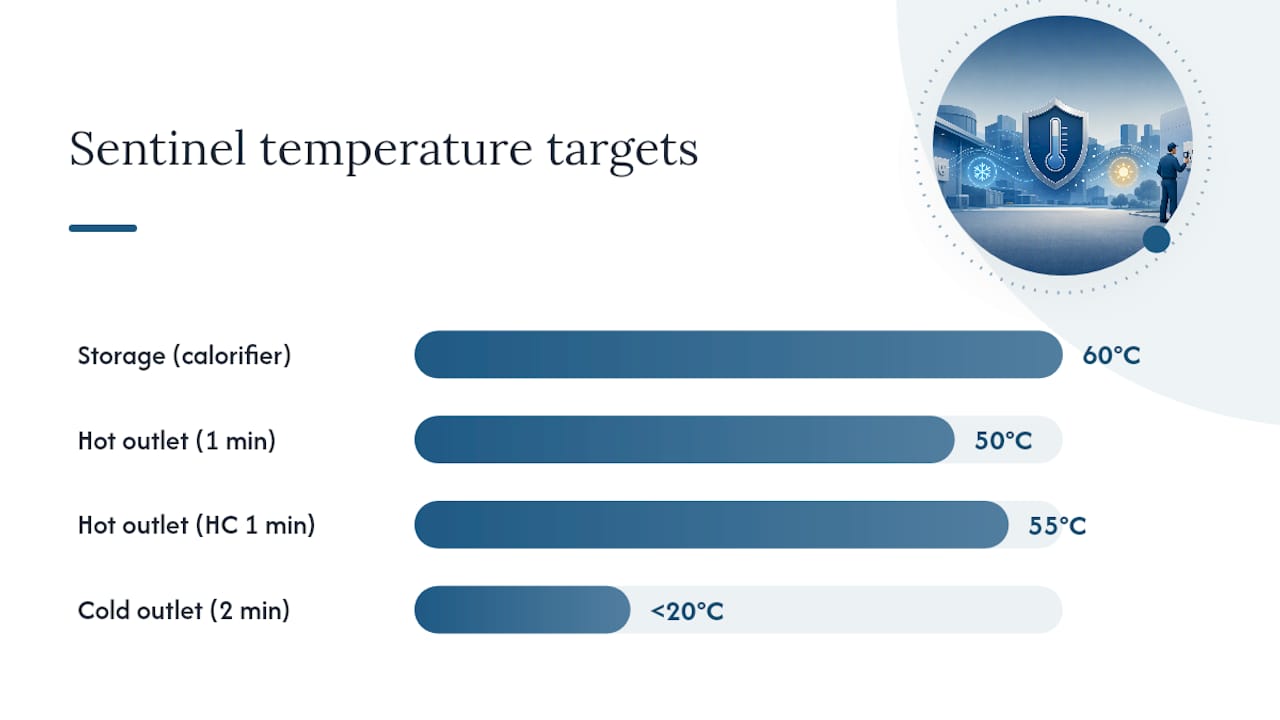
Hot water must reach at least 50°C within one minute at the outlet, or 55°C in healthcare settings, while cold water should drop below 20°C within two minutes.
Monthly checks require using a calibrated probe thermometer and continuous timing, with re-surveys after any hydraulic changes to ensure sentinel points remain correct.
Complex systems with circulating loops or thermostatic mixing valves need multiple or upstream measurements, not just last-outlet checks, to accurately assess legionella risk.
Sentinel monitoring provides ongoing assurance but must be complemented with expert assessments and system updates after modifications or failures.
Table of Contents
What is a sentinel outlet and why it represents a whole circuit
You cannot test every tap in a building every month. That is the practical problem sentinel monitoring solves. Rather than checking hundreds of outlets, you check the ones that tell you the most about the whole circuit.
The near sentinel sits closest to the calorifier or cold water storage tank, so it confirms water is leaving the source at the right temperature. The far sentinel sits at the hydraulically furthest point of that same circuit, confirming heat (or cold) has held all the way through the pipework. If both ends are within range, HSE guidance treats the outlets in between as reasonably assured too.
The critical detail people miss: selection is based on hydraulic layout, not the tape measure.
A tap physically at the end of a corridor might sit on a short branch fed early in the loop.
A tap that looks central on the floor plan can be the true dead leg if it is last on the return.
Pipe diameter, insulation, and flow rate all affect where heat or cold is actually lost, not just distance travelled.
How to choose sentinel outlets: a practical survey process
Get the schematic right first. Everything else follows from it.
Pull or draw an accurate schematic showing every riser, circuit, and branch, marked with pipe runs rather than room layout.
Separate distinct circuits. A building with multiple risers or independent hot water plant needs sentinels on each, not one set for the whole site.
Identify the principal loop for each circuit and mark the near and far points based on flow direction, not floor position.
Flag significant spurs and dead legs that branch off the main loop; these often need their own far sentinel if they serve occupied areas.
Record every choice in the written scheme, with a note explaining why each outlet was selected.
Re-survey after any hydraulic change such as refurbishment, decommissioning, or a change of use.
HSG274 Part 2 is the reference document for this process, and it includes worked examples for both simple domestic-style systems and larger branched networks.
Pro Tip: Never assume the outlet used last year is still correct. If maintenance added a new branch or capped off a run, the far sentinel may have quietly moved without anyone updating the paperwork.
What temperature and timing targets apply, and how do you measure them?
The numbers are non-negotiable, but the method matters just as much as the target.
Hot water:
Storage (calorifier or cylinder): at least 60°C.
At the outlet: minimum 50°C within one minute of opening the tap.
Healthcare premises: minimum 55°C within one minute, reflecting the higher-risk patient population.
Cold water:
At the outlet: below 20°C within two minutes of running.
Watch for heat gain during the flush itself, particularly on pipework that runs close to hot services or through warm plant rooms.
Sentinel checks work because they translate a national temperature regime, 60°C storage, 50°C hot outlets, sub-20°C cold outlets, into a monthly routine any competent person can carry out with a probe thermometer and a stopwatch.
Use a calibrated probe thermometer rather than a surface strip or infrared gun. Surface readings lag behind actual water temperature and can mask a fault. Run the tap fully open, hold the probe in the flow (not against the tap body), and watch the reading climb or fall continuously through the full one or two minute window rather than taking a single snapshot at the end. HSE’s own demonstration videos for hot sentinel checks and cold sentinel checks show this technique in real time and are worth watching once before your first round.
One caveat: where a thermostatic mixing valve sits before the outlet, you are reading blended water, not the primary system temperature. More on that below.
How often should you monitor, and what do you do with the readings?
Monthly is the baseline for sentinel outlets, but the schedule branches out from there depending on system complexity.
Sentinel outlets (hot and cold): checked monthly, every circuit, no exceptions.
Subordinate loops and secondary branches: quarterly, ideally on a rolling rota so every outlet gets covered across the year.
Tanks and calorifiers: checked and inspected on the schedule set out in HSG274, which also covers cleaning and inspection intervals.
Every result goes into the written scheme, with the date, outlet reference, reading, run time, and who took it. This is not paperwork for its own sake; it is the evidence a dutyholder needs to show effective control if the ACOP L8 responsibilities are ever questioned.
When a reading falls outside range, do not just note it and move on. Re-test immediately to rule out a fluke. If it repeats, inspect for an obvious fault (a failed valve, dead leg, or thermostat issue), and if the cause is not clear, escalate to full temperature profiling or disinfection as your written scheme specifies.
How do circulating loops, TMVs and branched spurs change the approach?
Bigger or more complex systems need more than one far sentinel.
In a circulating hot water system, the far sentinel is properly the return leg near the end of each principal loop, not just the last tap on the flow side.
Every principal recirculating loop needs its own far sentinel; treating a multi-loop building as a single circuit is a common and consequential mistake.
Thermostatic mixing valves blend hot and cold before the outlet, so a reading there tells you about the blend, not the primary pipework. Where TMVs are fitted, check an upstream pipe or the valve’s hot supply to confirm primary temperatures independently.
Subordinate and tertiary loops, plus high-risk outlets like healthcare showers, benefit from rotational sampling and periodic temperature profiling rather than a fixed monthly set, particularly on larger sites.
Pro Tip: If a building has TMVs at most outlets, put your monthly sentinel checks on the pipework feeding the valve, not just the tap. Otherwise you are monitoring shower comfort, not legionella risk.
A ready-to-use sentinel monitoring checklist
Facilities teams doing this monthly benefit from a fixed routine rather than reinventing the process each time; a practical health and safety checklist for childcare settings can provide useful guidance for managing high-risk user groups.
Confirm the outlet against the schematic, not memory, before testing.
Run the tap fully open and start timing immediately.
Hold the probe thermometer in the flow, not on the tap body.
Record the reading at the required interval, one minute for hot, two for cold.
Note the actual run time, the reading, and the date on the written scheme log.
Flag any TMV-fitted outlet and check upstream where required.
Escalate any out-of-range reading per the written scheme before moving to the next outlet.
Use a calibrated probe thermometer, checked against a reference standard annually.
Keep spare batteries and a laminated schematic in the maintenance folder.
If the same outlet fails repeatedly, that is a trigger for a full review, not just another re-test.
A tool like an automated temperature monitoring system can reduce missed rounds on large estates, though the underlying sentinel logic stays the same whether a person or a sensor takes the reading. For the manual routine, this temperature monitoring checklist sets out the same steps in a printable format.
Why sentinel checks are assurance, not the whole answer
Sentinel monitoring gives you confidence, not certainty. It tells you the system was behaving correctly at specific points on a specific day, which is valuable but incomplete on its own.
The mistake I see most often is treating the sentinel list as fixed. It should move whenever the building does, after refurbishment, after a wing closes, after new pipework goes in. Get sentinel selection wrong and every monthly reading after it is reassuring you about the wrong tap. On complex or higher-risk sites, get specialist input rather than guessing at hydraulic layout.
— Sammi
Get expert help with sentinel outlet monitoring
Getting sentinel selection wrong is easy on a building with multiple risers, mixed-age pipework, or TMVs fitted after the original design. Specialist services can carry out Legionella risk assessments that map your actual hydraulic layout, not just your floor plan, so your sentinel points are defensible if they are ever questioned.
[
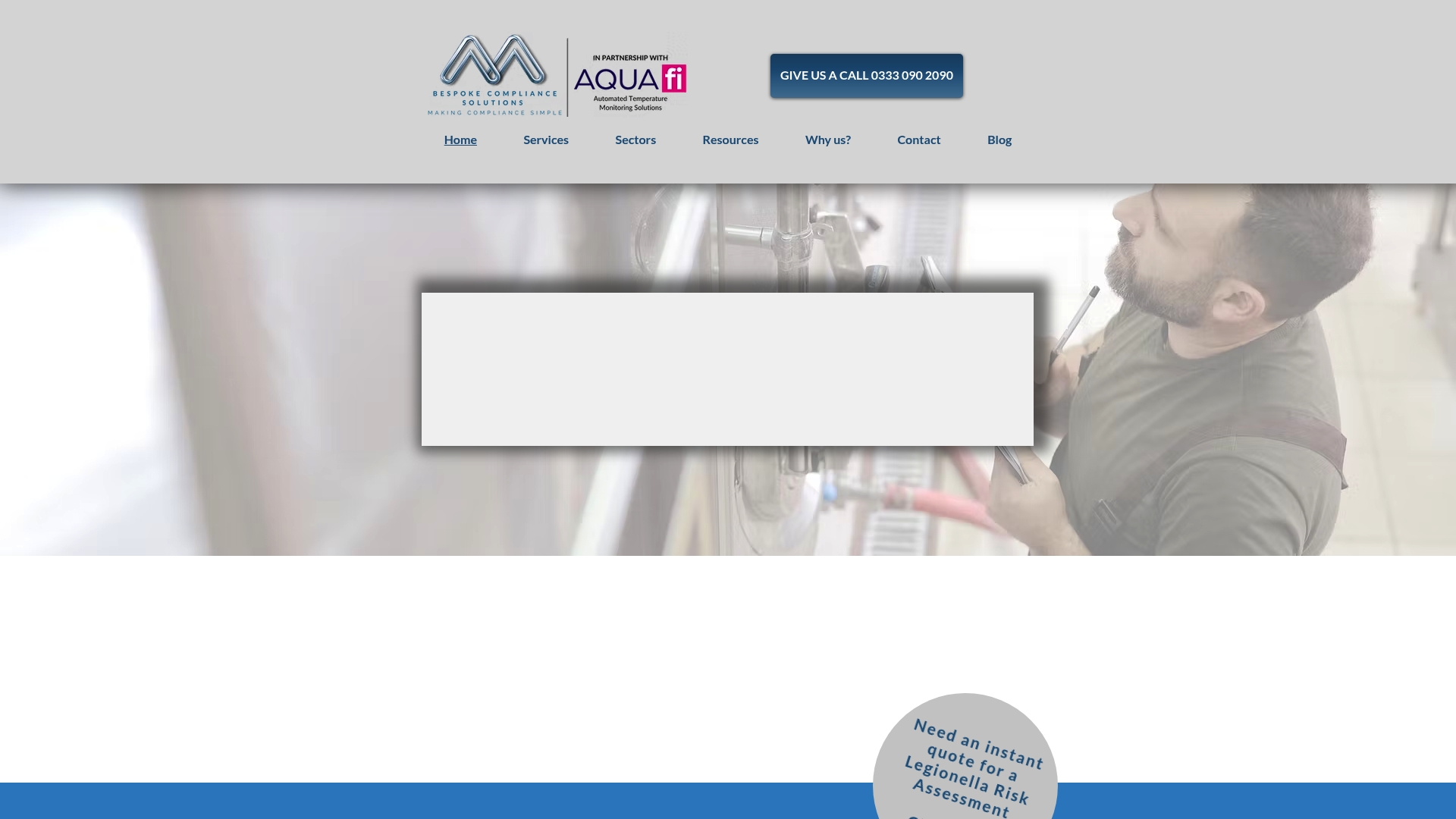
Beyond the initial assessment, ongoing support can include water testing and sampling when a sentinel reading falls out of range, TMV servicing where blended outlets complicate your readings, and Legionella awareness training so your own maintenance staff can run monthly checks with confidence. Where repeated failures point to a deeper problem, tank cleaning and disinfection services address contamination directly rather than leaving it to the next monthly round.
If your site has complex hydraulics, multiple buildings, or a healthcare or care setting where the stakes are higher, book a Legionella risk assessment in Coventry or get in touch to discuss your written scheme.
Sources
For the full technical detail behind sentinel selection and monitoring schedules, read HSG274 Part 2 directly, alongside HSE’s short demonstration videos on checking hot sentinels and cold sentinels. Our own guide to why temperature monitoring matters covers the compliance rationale in more depth.
This article is general information, not a substitute for advice from a qualified doctor. Consult a qualified healthcare professional about your own circumstances before acting on anything here.
Managing legionella in hot and cold water systems - HSE
FAQ
How often should sentinel taps be checked?
Sentinel outlets need checking monthly for both hot and cold circuits, with subordinate loops on a quarterly rota, as set out in HSG274.
What temperature of water kills legionella?
Legionella bacteria are killed at temperatures above 60°C, which is why hot water storage must sit at or above that level even though outlet targets are lower to prevent scalding.
How long should you run a tap for a legionella check?
Run hot outlets for one minute and cold outlets for two minutes, watching the thermometer continuously rather than checking once at the end, as shown in HSE’s sentinel demonstration videos.
How can you tell if you have legionella in water?
You cannot detect legionella by temperature alone; confirming its presence requires laboratory sampling and analysis, which Bespokecompliancesolutions offers through its water testing and sampling service when a sentinel reading raises concern.
Do TMVs affect sentinel outlet readings?
Yes. A thermostatic mixing valve blends hot and cold before the outlet, so the reading reflects the blend rather than the primary pipework, meaning an upstream check is needed to verify true system temperatures.
Recommended
Comments