
Preventing water stagnation in schools over term breaks
- Aug 8
- 16 min read
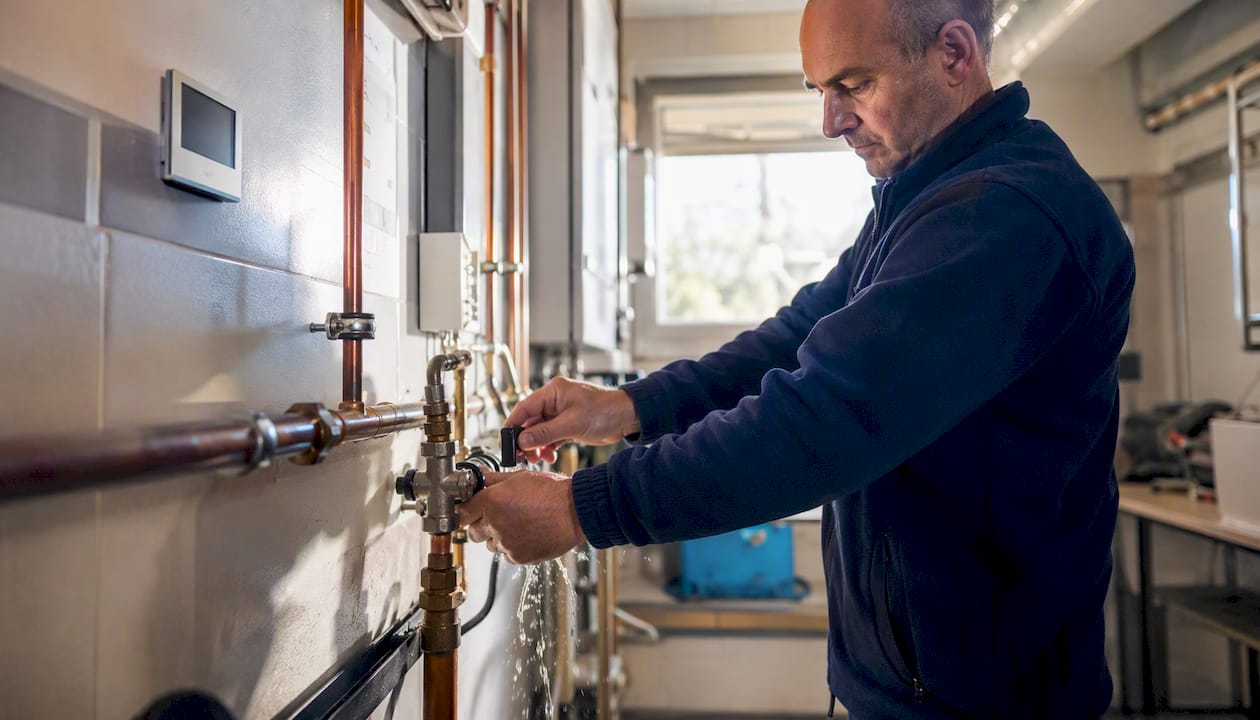
To prevent water stagnation and reduce Legionella risk over a term break, you need three things in place: a pre-closure preparation, a documented flushing regime during the closure, and a defined recommissioning sequence before pupils return. Miss any one of them and you have a gap in your written scheme of control that an HSE inspector will find.
Guidance from HSE HSG274 sets out the expected control measures for duty holders managing water systems. Term break water stagnation prevention in schools is not a seasonal nicety — it is a legal obligation under the Health and Safety at Work etc. Act 1974 and the Control of Substances Hazardous to Health Regulations 2002.
Quick pre-break checklist:
Duty holder / responsible person: sign off the written scheme of control before closure and confirm flushing responsibilities are delegated in writing.
Authorised person: carry out or supervise weekly flushing of all infrequently used outlets throughout the break, logging each session.
Competent person: conduct the full recommissioning check (temperature verification, microbiological sampling where indicated) at least 48 hours before re-opening.
Every action above requires a logbook entry: date, outlet ID, person responsible, readings, and any anomalies noted.
Key takeaways
Preventing water stagnation in schools over term breaks requires three documented controls: pre-closure preparation, a weekly flushing regime during the closure, and a full recommissioning check before pupils return.
Point | Details |
Pre-closure preparation | Assign named roles, confirm the written scheme covers term breaks, and verify hot-water set temperatures before the last day of term. |
Weekly flushing during closure | Flush all infrequently used outlets at least weekly, working zone by zone, and log every session with temperatures and initials. |
Pre-opening recommissioning | Begin the recommissioning sequence at least 7 days before re-opening. Take microbiological samples if the closure exceeded four weeks or anomalies were noted. |
HSG274 compliance | The written scheme of control must name responsible persons, flushing frequencies, temperature targets, and escalation steps for term-break periods. |
Bespokecompliancesolutions | Provides site-specific risk assessments, tank cleans, water testing, TMV servicing, and staff training to cover every element of term-break water safety. |
Table of Contents
Why does water stagnation in schools create a Legionella risk during term breaks?
What does an effective flushing regime look like during a school closure?
How do you maintain safe temperatures and manage TMVs during a closure?
What should you inspect in tanks, cisterns, and pipework before and after a break?
What checks should you run before reopening after a long closure?
Printable checklist and sample log templates for term breaks
The pitfalls most schools get wrong, and what actually matters
Bespokecompliancesolutions: term-break water safety support for UK schools
Why does water stagnation in schools create a Legionella risk during term breaks?
When water sits still in pipework, Legionella bacteria can multiply to dangerous concentrations — particularly when temperatures drift into the 20°C–45°C growth range that stagnant, unheated or partially cooled water reaches within days of a school closing. Disinfectant residuals in mains-supplied water dissipate quickly once flow stops, removing the chemical barrier that normally suppresses bacterial growth. Biofilm — the thin microbial layer that coats pipe walls — provides a protected environment where Legionella can persist even after flushing resumes.
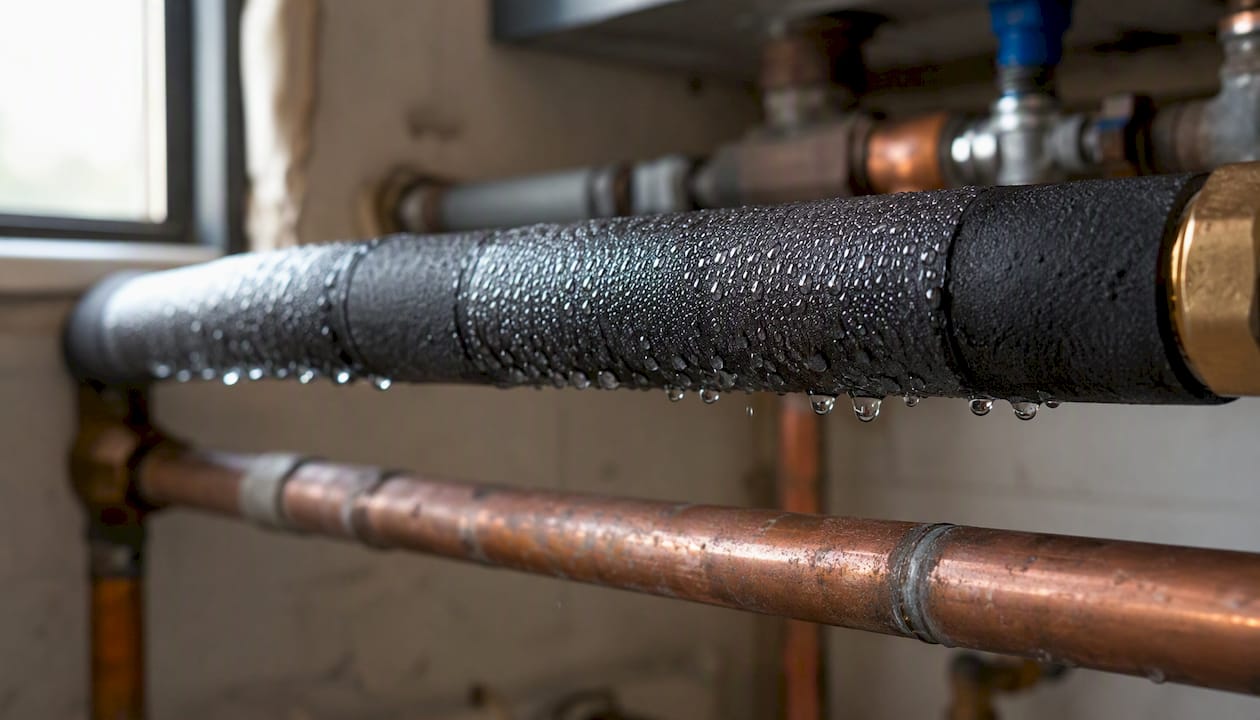
Schools present a specific combination of risk factors that makes this worse than most commercial buildings. Long pipe runs to distant classrooms, roof-mounted cold-water storage tanks, infrequently used science laboratory sinks, shower facilities in sports blocks, and bottle-filling stations all create conditions where water can sit undisturbed for weeks. Research on school closures has found elevated levels of Legionella pneumophila and chemical parameters including lead and copper after extended periods of low or no use — with some fixtures requiring shock disinfection before they were safe to return to service.
Lead and copper mobilisation is a particular concern for older school buildings. When water sits in contact with metal pipework and fittings for extended periods, metal concentrations rise. The EPA’s guidance for schools specifically flags this risk and recommends flushing, aerator inspection, and targeted sampling before pupils return.
High-risk outlets to prioritise in any school:
Showers and changing-room facilities (highest aerosol risk)
Science laboratory sinks and emergency eyewash stations
Drinking fountains and bottle-filling stations
Classroom taps used infrequently even during term time
Cleaner’s sinks and utility rooms
External hose points and irrigation connections
Kitchen taps and dishwasher supply lines
Six weeks of low or no water use creates ideal conditions for stagnation and Legionella growth. Even shorter half-term breaks of one to two weeks carry meaningful risk in schools with complex plumbing or large cold-water storage tanks.
What are your UK legal duties under HSE L8 and HSG274?
The duty holder — typically the employer or the person in control of the premises — carries legal responsibility for managing Legionella risk. In a school, that is usually the headteacher or the governing body, with day-to-day responsibility delegated to a facilities or compliance manager. HSG274 and HSE L8 together set out what “suitable and sufficient” control looks like.
Your core obligations under health and safety law include:
Conducting a site-specific Legionella risk assessment carried out by a competent person.
Producing and maintaining a written scheme of control that describes all control measures, responsibilities, and monitoring frequencies.
Implementing the scheme and keeping records that demonstrate it is being followed.
Reviewing the risk assessment whenever there is reason to believe it may no longer be valid (including after extended closures or significant plumbing changes).
Appointing a responsible person with sufficient authority and competence to manage the scheme day to day.
The written scheme must explicitly address what happens during term breaks. A generic scheme that describes only in-term monitoring will not satisfy an inspector if a school has experienced a Legionella incident during a holiday period. Understanding why water hygiene matters commercially helps you frame the business case for investing in proper term-break controls when presenting to senior leadership.
Pro Tip: Place a specific “term break protocol” appendix in your written scheme of control. Name the authorised person responsible for holiday flushing, the frequency, the outlets covered, and the escalation route if a reading is out of range. The responsible person should sign this appendix before each closure.
What does an effective flushing regime look like during a school closure?
Weekly flushing of all infrequently used outlets is the simplest and most widely recommended control for school closures. The exact frequency and duration should be tailored to your site’s plumbing layout, but weekly is the practical minimum for breaks longer than one week. CDC guidance on building recommissioning recommends flushing until hot water reaches its expected maximum temperature and bringing fresh water into the building by zone.
Step-by-step flushing procedure:
Prepare the site. Obtain the site plumbing schematic and identify every outlet, including those in locked rooms. Confirm access to all areas before the break begins.
Assign outlets to zones. Group outlets by building wing or floor to allow uni-directional, zoned flushing — start at the point closest to the incoming main and work outward. This approach brings fresh water through the system methodically rather than flushing random outlets in isolation.
Remove or cover aerators on drinking outlets. Aerators trap sediment and biofilm. Remove them before flushing, clean them separately, and refit or replace them on recommissioning.
Apply PPE for shower outlets. Showers generate aerosols. Wear an FFP2 or FFP3 mask, eye protection, and gloves when running showers during flushing. Keep the cubicle door closed and ventilate the room.
Run cold outlets first. Flush cold taps until the water runs at the temperature of the incoming mains supply (typically below 20°C). A typical flush duration is 2–5 minutes per outlet, adjusted for the length of the branch pipe.
Run hot outlets. Flush hot taps until water reaches at least 50°C at the outlet. Record the temperature at sentinel outlets (the first and last outlet on each hot-water circuit).
Flush showers last in each zone. Run for a minimum of 2 minutes after the hot water has reached temperature.
Log every outlet immediately. Do not rely on memory — complete the log sheet at the outlet before moving to the next one.
Sample flushing log structure:
Field | What to record |
Date and time | DD/MM/YYYY, 24-hour time |
Outlet ID | Unique reference from site plan |
Location | Building, floor, room name |
Action | Flush / clean / temperature check |
Duration (minutes) | Actual time water ran |
Cold temp at outlet (°C) | Measured at end of flush |
Hot temp at outlet (°C) | Measured at end of flush |
Person responsible | Full name and signature |
Anomalies | Discolouration, odour, low pressure, equipment faults |
Pro Tip: For large school sites, create a colour-coded rota sheet that assigns specific zones to named staff on specific days. Automatic flushing devices fitted to infrequently used outlets can supplement manual flushing, but they do not replace the need for a person to physically inspect and record conditions.
How do you maintain safe temperatures and manage TMVs during a closure?
The core principle is straightforward: keep hot water hot and cold water cold. In practice, that means storing hot water at or above 60°C and distributing it so that it reaches at least 50°C at sentinel outlets within one minute of running. Cold water should be kept as far below 20°C as the incoming mains supply allows — ideally below 20°C throughout the distribution system.
During a school closure, both targets become harder to maintain. Hot-water cylinders and calorifiers may be set to economy mode or switched off entirely by well-meaning site staff trying to save energy. Cold-water storage tanks in roof spaces warm up significantly during summer months. Either scenario pushes water temperatures into the 20°C–45°C band where Legionella multiplies most rapidly.
Water hygiene monitoring guidance explains how sentinel outlet checks work in practice. For term breaks, the minimum monitoring programme should include:
Temperature checks at the sentinel hot outlet (furthest from the heater) and sentinel cold outlet (furthest from the tank or incoming main) at each weekly flushing visit.
A check that the hot-water storage temperature is at or above 60°C — measured at the calorifier or cylinder, not just at the outlet.
A visual check of the cold-water storage tank for signs of warming, contamination, or debris.
Recording of all readings in the site logbook with the date, time, and person responsible.
Thermostatic mixing valves (TMVs) introduce an additional consideration. TMVs blend hot and cold water to deliver a safe outlet temperature — typically 38°C–43°C at showers and 41°C–46°C at baths and washbasins — to prevent scalding. During a closure, TMVs that are not flushed regularly can harbour Legionella in the blended-temperature zone. Key points to manage:
Confirm the location of every TMV on the site plan before the break.
Do not raise hot-water temperatures for Legionella control without first isolating TMVs — delivering water above 50°C through an unserviced TMV risks scald injury when the building reopens.
Schedule TMV servicing to coincide with the summer closure where possible, so the devices are inspected, cleaned, and set-point verified before the new term.
Record TMV locations, set points, and service dates in the logbook.
Pro Tip: If you are raising hot-water temperatures as a control measure during a closure (for example, as part of a thermal disinfection programme), always isolate TMVs first and post clear warning notices on all affected outlets before anyone enters the building. Reinstate TMVs and verify set points before re-opening.
What should you inspect in tanks, cisterns, and pipework before and after a break?
Cold-water storage tanks, cisterns, and dead legs are the three places where stagnation risk concentrates most acutely in school buildings. Inspect and risk-manage all three before closure and again as part of the pre-opening recommissioning.
Tank and cistern inspection points:
Covers: check they are in place, undamaged, and vermin-proof.
Vents: confirm insect screens are intact and the vent pipe terminates correctly.
Overflow routing: verify the overflow discharges to a visible, safe location and has not been blocked.
Internal condition: look for sediment, debris, biofilm (visible as a slimy coating on walls or float valves), or signs of contamination.
Water level and float valve operation: confirm the ball valve is functioning and the tank is not overfilling.
Insulation: check lagging is intact, particularly on tanks in roof spaces exposed to summer heat.
Tanks should be cleaned and disinfected at least annually. Aligning the annual clean with the summer closure minimises disruption and means the system starts the new academic year in the best possible condition.
Dead legs are sections of pipework that terminate without a regular outlet — often left behind after plumbing alterations, room changes, or equipment removal. Water in a dead leg does not move during flushing, so it stagnates regardless of how diligently you flush the rest of the system. Identify dead legs by comparing the current plumbing layout against the original schematic. Where a dead leg is found:
If it serves no current purpose, cap it as close to the active main as possible and update the site plan.
If it cannot be removed immediately, flag it as a high-risk point in the risk assessment and increase monitoring frequency.
Biofilm is harder to detect than sediment. Signs include an unusual taste or odour from an outlet, discolouration, or increased turbidity in water that has been standing. Where biofilm is suspected, mechanical cleaning of the affected section followed by chlorination is the standard response. Shock disinfection of the whole system may be necessary in severe cases, but research on school reopening cautions that shock chlorination can have complex outcomes — including persistent disinfection by-products — and should only be carried out after sampling and specialist advice.
Pro Tip: Schedule your annual tank clean for the last week of the summer term, not the first week back. That way the tank is clean and disinfected before the six-week closure begins, rather than after six weeks of stagnation.
It is also worth noting that schools with rainwater harvesting systems or sustainable drainage features should include those assets in the inspection programme. Harvested rainwater used for toilet flushing or irrigation carries its own microbiological risks if storage tanks are not maintained.
Does your risk assessment cover term-break vulnerabilities?
A site-specific Legionella risk assessment must identify the vulnerabilities that are unique to term-break periods — not just the general system risks that apply year-round. If your current assessment does not explicitly address what happens when the building is empty for six weeks, it needs updating.
Mandatory components for a school Legionella risk assessment:
A site plan showing all water systems, storage tanks, TMVs, sentinel outlets, and dead legs.
Identification of all high-risk outlets and the populations at risk (pupils, staff, visitors, contractors).
Details of cold-water storage tanks: capacity, location, condition, and last clean date.
Hot-water system details: heater type, set temperature, distribution layout, and sentinel outlet locations.
Occupancy patterns, including term dates, holiday periods, and any community or lettings use during closures.
Maintenance history: previous flushing records, temperature logs, sampling results, and remedial actions.
Assessment of dead legs, infrequently used outlets, and any recent plumbing alterations.
The written scheme of control should then translate the assessment findings into a documented programme. For term breaks specifically, the scheme should state:
Which outlets are flushed, at what frequency, and by whom.
Temperature targets and the sentinel outlets where readings are taken.
The escalation procedure if a reading is out of range or a visual inspection reveals a problem.
Who is authorised to carry out checks during the closure and who signs off the recommissioning before re-opening.
A sample handover clause worth including in your written scheme:
HSG274 is explicit that a competent person must be involved in producing and reviewing the risk assessment. “Competent” in this context means someone with sufficient training, experience, and knowledge of Legionella control — not simply a member of site staff who has read the guidance. For most schools, that means either a qualified in-house specialist or an external water hygiene consultant. A water hygiene policy review is a practical starting point if your written scheme has not been updated recently.
What checks should you run before reopening after a long closure?
Start the recommissioning sequence at least seven days before pupils return. That window gives you time to flush the system, take temperature readings, arrange microbiological sampling if needed, and act on any results before the building is occupied.
Pre-opening checklist:
Flush every outlet in the building, working zone by zone from the incoming main outward.
Clean or replace shower heads and hose attachments — these are the highest-risk items for Legionella aerosol generation.
Verify hot-water storage temperature is at or above 60°C before distribution flushing begins.
Check cold-water storage tanks: condition, level, temperature, and absence of contamination.
Restart any water treatment dosing systems and confirm correct chemical levels.
Verify TMV set points and check for correct operation at each outlet.
Replace any inline filters that have reached their service interval.
Take microbiological samples at sentinel outlets and high-risk points if the closure has been longer than four weeks or if any anomalies were noted during the break.
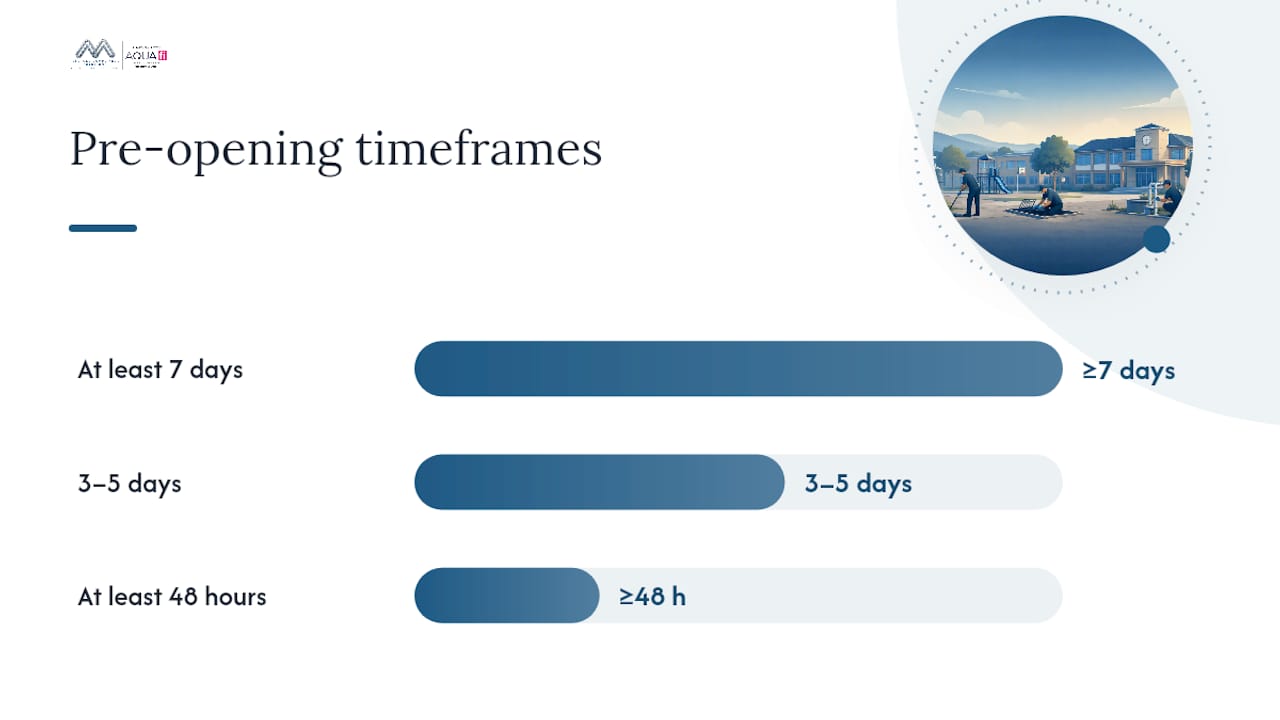
Pre-opening timeline:
Timeframe | Actions |
At least 7 days before re-opening | Full zone-by-zone flush; hot and cold temperature checks at all sentinel outlets; tank inspection; TMV verification; arrange microbiological sampling if indicated |
3–5 days before re-opening | Review sampling results; carry out any remedial flushing or disinfection required; clean shower heads; replace filters; confirm all logbook entries are complete |
At least 48 hours before re-opening | Final temperature checks at sentinel outlets; confirm all anomalies resolved or escalated; responsible person signs recommissioning record; brief any staff who will be on site before full opening |
If temperatures at sentinel outlets are outside target ranges after flushing, do not simply re-flush and hope. Isolate the affected outlets, investigate the cause (heater fault, TMV failure, dead leg, tank temperature), and arrange specialist assessment before allowing use. If microbiological results return positive for Legionella, isolate the affected outlets immediately, contact a competent water hygiene provider, and follow their advice on shock disinfection and re-sampling. The corrective action process for water hygiene sets out how to document and escalate these situations properly.
EPA guidance recommends inspecting plumbing, cleaning aerators, and carrying out sampling as part of start-up procedures for seasonal or extended closures. While that guidance is US-based, the underlying principles align with HSG274 expectations for UK schools.
Printable checklist and sample log templates for term breaks
The log table below is designed to be copied directly into your site logbook or digital compliance system. Adapt the outlet ID convention to match your existing site plan.
Sample term-break water hygiene log:
Checklist items to include in your pre-break SOP:
Confirm all outlet IDs are marked on the current site plan and match the logbook.
Distribute the flushing rota to named staff before the last day of term.
Confirm logbook is on site and accessible to the authorised person during the closure.
Check that PPE (masks, gloves, eye protection) is available in the plant room or cleaning store.
Verify hot-water heater set temperature before leaving site.
Confirm cold-water tank inspection date and record in logbook.
Note any outlets that were out of service or isolated during term time — these need special attention on recommissioning.
Logs should be retained for a minimum of five years and reviewed by the responsible person on re-opening. Any anomalies noted during the break should be signed off as resolved (or escalated) before the recommissioning record is completed.
Pro Tip: Assign each outlet a unique ID using a simple three-part convention: building code, room type, and sequential number (e.g. B2-LAB-03). Print a laminated outlet map for each building and attach a QR code linking to the digital log. Staff can scan and submit readings from a mobile device without carrying paper sheets across the site.
When should you bring in a water hygiene specialist?
Engage a specialist when the complexity of the system, the results of monitoring, or the confidence level of your in-house team means that self-management carries unacceptable risk. That is not a vague threshold — there are specific trigger events that should prompt an external call.
Triggers for specialist involvement:
A microbiological sample returns positive for Legionella at any concentration.
Cold-water tank contamination is found (sediment, biofilm, dead animals, or visible contamination).
Hot-water temperatures cannot be maintained at target despite heater checks.
The school has cooling towers, spa pools, or leisure facilities — these require specialist management regardless of term-break status.
The plumbing system is complex, poorly documented, or has undergone recent alterations without updated schematics.
The duty holder or responsible person does not have sufficient competence to carry out or supervise the required checks.
A shock disinfection has been carried out and re-sampling is required to confirm clearance.
A contracted water hygiene specialist would typically deliver: an updated site-specific Legionella risk assessment; microbiological sampling and laboratory analysis; cold-water tank cleaning and disinfection; remedial pipework works (dead leg removal, TMV replacement or servicing); a written remediation plan with prioritised actions; and a compliance report the duty holder can retain as evidence.
Before the contractor arrives, have the following ready:
Water hygiene testing methods used in healthcare settings translate directly to schools — the sampling protocols and laboratory analysis are the same. If your school shares facilities with a community lettings programme or sports club, the guidance on mixed-use estates covers how to clarify responsibilities during closures when third parties may be accessing the building.
The pitfalls most schools get wrong, and what actually matters
The most common failure in school water safety during term breaks is not ignorance of the guidance — it is the gap between what the written scheme says and what actually happens on site. Schools that have a perfectly worded scheme but no named person available to carry out flushing during the August closure are not compliant. The document is not the control; the action is.
Three things Bespokecompliancesolutions consistently finds when working with schools: first, the flushing rota exists but the person named on it has left or is on annual leave during the break. Second, temperature readings are recorded but nobody checks whether they are within range before signing the log. Third, small primary schools assume their simple plumbing means low risk — but a single cold-water tank serving a building with one shower and a kitchen can still harbour Legionella if it is not managed.
The other pitfall worth naming is the assumption that a one-off risk assessment from several years ago is still valid. If the school has had building works, a room repurposed, new equipment installed, or a change in occupancy patterns, the assessment needs reviewing. HSG274 is clear on this: the assessment must reflect the current state of the system.
What actually works is straightforward: clear role assignment before the break, a physical flushing rota with named individuals and specific dates, temperature readings that are checked against targets at the time they are taken, and a responsible person who reviews the logbook before signing the recommissioning record. None of that requires expensive technology. It requires discipline and a written scheme that is specific enough to be followed by someone who was not involved in writing it.
Bespokecompliancesolutions: term-break water safety support for UK schools
Schools that need a site-specific Legionella risk assessment, a term-break flushing programme, or a tank clean before the summer closure do not need to piece together a solution from multiple contractors. Bespokecompliancesolutions delivers all of it under one arrangement, with documentation that satisfies HSG274 and gives the duty holder clear evidence of compliance.
Services aligned to the needs covered in this guide include: site-specific Legionella risk assessments, water sampling and laboratory analysis, cold-water tank cleaning and disinfection, TMV servicing and set-point verification, implementation of a bespoke logbook system, and Legionella awareness training for site staff responsible for holiday flushing. Every service is scoped to the specific site — not a generic package applied regardless of plumbing complexity.
To book a pre-break assessment or request emergency support after an abnormal result, contact Bespokecompliancesolutions directly. Bring your most recent logbook entries and site plan to the first conversation and the team can scope the work and confirm availability within the school’s closure window.
Sources
The sources below are the primary references for the guidance in this article. Save them as part of your site water safety policy documentation.
Recommended
Comments